Igniting the Fire: Top Strategies for Motivating Remote Sales Teams
Motivating a remote sales team requires a unique approach. Unlike their in-office counterparts, remote teams thrive on different motivational drivers. This listicle provides a curated collection of practical strategies specifically designed to boost the performance of your remote sales team. We'll explore proven tactics, actionable insights, and fresh perspectives to help you ignite their drive and achieve remarkable results. Learn how to foster a thriving remote sales environment where your team feels valued, supported, and empowered to succeed.
Motivating remote teams involves many similar techniques to on-premise staff, especially those in phone-based roles. To ensure your remote sales team is performing at their best, consider strategies discussed in our artilce about Motivating Call Center Agents. Adapting these communication and motivation tactics to your sales team can improve performance across the board.
This comprehensive guide dives into eight key areas crucial for motivating remote sales team members:
- Performance-Based Recognition and Rewards: Discover how to implement effective recognition programs that celebrate accomplishments and drive motivation.
- Goal Setting and Progress Visualization: Learn the art of setting clear goals and using visualization tools to track progress and maintain momentum.
- Virtual Team Building and Social Connection: Explore creative ways to foster camaraderie and build strong relationships within your remote sales team.
- Continuous Learning and Development Programs: Invest in your team's growth with ongoing training and development opportunities to enhance their skills and boost their confidence.
- Flexible Work Arrangements and Autonomy: Empower your remote sales team by offering flexible work arrangements and promoting autonomy.
- Regular One-on-One Coaching and Feedback: Provide personalized coaching and consistent feedback to guide individual development and improve performance.
- Technology and Tools Optimization: Equip your team with the best technology and tools to streamline workflows and maximize productivity.
- Transparent Communication and Company Culture: Cultivate a culture of open communication and transparency to foster trust and keep your remote sales team informed and engaged.
1. Performance-Based Recognition and Rewards
Motivating a remote sales team requires innovative approaches. Unlike traditional office settings, remote teams lack the everyday interactions that foster camaraderie and recognition. A robust performance-based recognition and rewards system bridges this gap, boosting morale and driving results. This system acknowledges and rewards team members based on their achievements. It goes beyond mere monetary incentives by incorporating diverse forms of appreciation and creating multiple touchpoints for celebration in the virtual world.

This approach is crucial for motivating remote sales team members because it provides consistent feedback and reinforces positive behaviors. It creates a sense of value and belonging, essential for remote workers who can sometimes feel isolated. This, in turn, fuels their motivation and encourages them to exceed targets.
Examples of Successful Implementation
Several leading companies have effectively implemented performance-based recognition and rewards programs for their remote teams. Salesforce's Trailblazer program, with its badges and public acknowledgments, gamifies achievements and encourages friendly competition. HubSpot's monthly "Culture Champions" awards highlight remote team members who embody company values. Zoom holds quarterly virtual award ceremonies, complete with cash bonuses and gift cards, to celebrate top performers.
Actionable Tips for Implementation
- Implement both team and individual recognition programs: Celebrate collective successes while also acknowledging individual contributions.
- Use public channels for immediate recognition: Leverage platforms like Slack or Teams to instantly recognize achievements, fostering a culture of appreciation.
- Offer a mix of monetary and experiential rewards: Gift cards, bonuses, extra time off, or unique experiences cater to different preferences and add variety to the reward system.
- Create monthly virtual award ceremonies: These events provide a platform to publicly celebrate accomplishments and reinforce positive behaviors.
- Track and celebrate both big wins and small improvements: Recognizing incremental progress motivates consistent effort and fosters a growth mindset.
To incentivize remote sales teams, consider leveraging a recognition and rewards platform focused on creating a culture of appreciation. This can streamline the process and ensure consistent recognition. (Source: Platform – Recognition And Rewards from Happily.ai)
Why This Approach Works
This strategy works because it taps into fundamental human needs for appreciation and belonging. It translates the energy of in-person celebrations into the virtual space, fostering a positive and motivating environment. Leaders like Brian Chesky (Airbnb) have championed peer recognition, while Marc Benioff (Salesforce) highlights the power of gamification. Dan Price (Gravity Payments) demonstrates the effectiveness of transparent reward systems. By implementing a thoughtful and comprehensive approach, you can significantly enhance the motivation and performance of your remote sales team.
2. Goal Setting and Progress Visualization
Motivating a remote sales team requires clear direction and a sense of accomplishment. Unlike in-office teams, remote sales members can't readily see the collective progress. Goal setting and progress visualization bridges this gap, providing focus and maintaining momentum. This systematic approach establishes clear, measurable objectives and offers visual representations of progress. It leverages digital dashboards, progress tracking tools, and regular milestone celebrations.

This is crucial for motivating remote sales team members because it creates transparency and shared understanding of objectives. Visualizing progress reinforces positive momentum and encourages consistent effort. It provides a tangible sense of achievement, particularly important in a remote environment where physical presence and team interactions are limited. This fosters a sense of purpose and drives individuals toward shared success.
Examples of Successful Implementation
Several companies effectively utilize goal setting and progress visualization tools with their remote sales teams. Pipedrive's visual sales pipeline, with its progression tracking, empowers teams to monitor deals and identify bottlenecks. Monday.com provides customizable goal-setting templates, enabling remote teams to track progress against key performance indicators (KPIs). Companies like Lenovo leverage Tableau dashboards for sales visualization, providing real-time insights into performance and identifying areas for improvement.
Actionable Tips for Implementation
- Use visual dashboards that update in real-time: This provides immediate feedback and motivates consistent effort.
- Set both short-term and long-term goals: This balances immediate focus with overarching objectives.
- Include both activity-based and outcome-based metrics: This provides a comprehensive view of performance.
- Schedule weekly progress review sessions: This fosters accountability and allows for timely adjustments.
- Celebrate milestone achievements publicly: This reinforces positive behaviors and encourages team spirit.
Why This Approach Works
This strategy works because it provides clarity, direction, and a sense of accomplishment. It replicates the energy of a shared workspace by visualizing collective progress. John Doerr's OKRs (Objectives and Key Results) methodology emphasizes measurable outcomes, while Andy Grove (Intel) championed structured goal-setting frameworks. Google has further popularized transparent goal tracking, demonstrating its effectiveness in motivating teams. Implementing a well-defined goal-setting and progress visualization system strengthens a remote team's focus and drive, ultimately enhancing overall performance.
3. Virtual Team Building and Social Connection
Motivating a remote sales team requires fostering a sense of belonging and camaraderie. Unlike co-located teams, remote teams miss out on spontaneous interactions and informal connections. Structured activities and informal interactions designed to build relationships, trust, and camaraderie amongst remote sales teams address this isolation. This fosters meaningful connections and shared experiences in virtual environments, boosting morale and driving results.
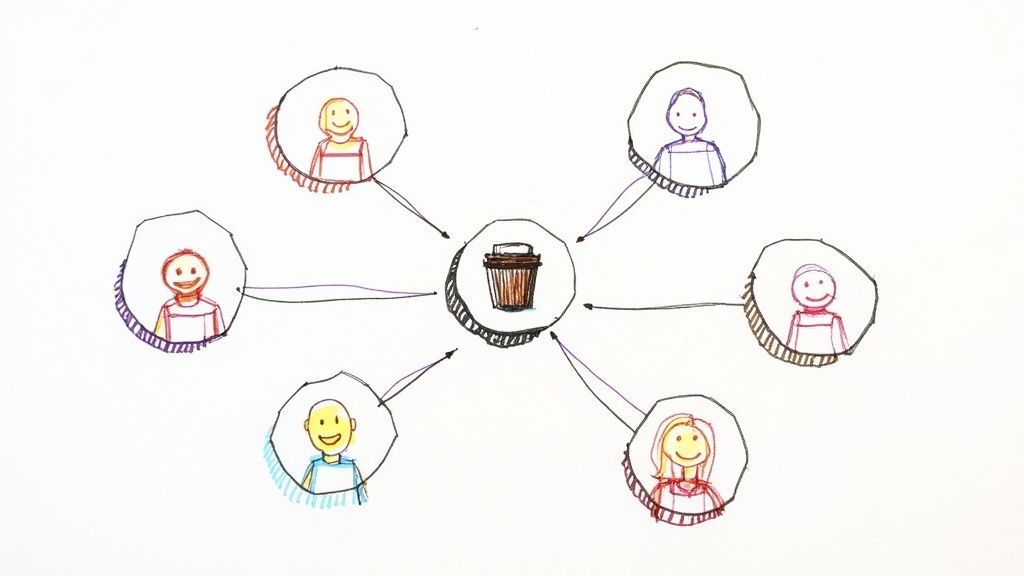
This approach is crucial for motivating remote sales team members because it combats feelings of isolation. It creates a sense of community and shared purpose, which strengthens team cohesion. This increased connection translates to improved communication, collaboration, and ultimately, better sales performance.
Examples of Successful Implementation
Several companies excel at building strong virtual team connections. Buffer encourages informal connections with virtual coffee chats and online team-building activities. GitLab fosters open communication through dedicated Slack channels and virtual team events. Automattic connects its distributed workforce through virtual team meetups and cross-department collaborations. These initiatives create a sense of belonging and strengthen team dynamics.
Actionable Tips for Implementation
- Schedule regular virtual coffee breaks or lunch sessions: These casual interactions encourage informal connections and relationship building.
- Create dedicated Slack channels for non-work conversations: These spaces allow for spontaneous communication and foster a sense of community.
- Organize virtual game nights or trivia competitions: These fun activities promote team bonding and friendly competition.
- Pair new team members with experienced mentors: This provides support and helps integrate new hires into the team culture.
- Host virtual "show and tell" sessions for personal interests: This allows team members to share their passions and connect on a personal level.
Why This Approach Works
This strategy taps into the fundamental human need for connection. It creates a virtual water cooler, enabling spontaneous interactions and fostering a sense of belonging. Leaders like Joel Gascoigne (Buffer) champion transparent remote culture building. Sid Sijbrandij (GitLab) emphasizes comprehensive remote team strategies. Matt Mullenweg (Automattic) advocates for effective distributed team connection methods. Implementing these practices strengthens team cohesion, improves communication, and motivates remote sales teams to achieve shared goals.
4. Continuous Learning and Development Programs
Motivating a remote sales team requires a commitment to ongoing growth. Unlike traditional settings, remote sales professionals often lack informal learning opportunities. Continuous learning and development programs address this gap, providing accessible and relevant training that empowers team members to excel in the virtual sales landscape. These programs equip remote sales professionals with the skills and knowledge necessary to thrive in the ever-evolving world of sales, while also adapting to the unique challenges of remote work.

This approach is essential for motivating remote sales team members because it demonstrates a commitment to their professional development. It combats skill stagnation and keeps them engaged with the latest sales techniques, technologies, and market trends. This fosters a culture of continuous improvement, crucial for remote teams where individual growth directly impacts overall team performance.
Examples of Successful Implementation
Many successful companies understand the importance of continuous learning for their remote sales teams. HubSpot Academy provides comprehensive sales training programs, empowering their remote workforce with cutting-edge inbound sales methodologies. Salesforce uses Trailhead, a gamified learning platform, to engage remote employees and foster friendly competition in skill development. Microsoft, among other leading companies, leverages LinkedIn Learning integration to provide accessible skill development resources for its global remote sales force.
Actionable Tips for Implementation
- Create individual development plans: Tailor learning paths to each team member's specific needs and career goals.
- Offer micro-learning sessions: Short, focused training modules fit easily into busy schedules, maximizing engagement.
- Encourage peer-to-peer learning: Facilitate knowledge sharing through virtual workshops and mentorship programs.
- Provide certification opportunities: Formal certifications validate skills and demonstrate a commitment to professional growth.
- Celebrate achievements: Publicly acknowledge learning milestones to reinforce the value of continuous development.
Why This Approach Works
Continuous learning addresses the core need for professional growth, a key motivator for high-performing sales professionals. It empowers remote team members to adapt to market changes, master new technologies, and refine their sales techniques. Industry leaders like Brian Halligan (HubSpot), with his emphasis on inbound sales methodology training, demonstrate the value of continuous learning. Keith Rosen's sales coaching frameworks and Jill Konrath's adaptive selling techniques highlight the ongoing need for skill development in modern sales. By fostering a culture of continuous learning, you invest in your remote sales team's long-term success and significantly boost their motivation and performance.
5. Flexible Work Arrangements and Autonomy
Motivating a remote sales team often hinges on empowering team members with control over their schedules and work environment. Flexible work arrangements and autonomy recognize that sales professionals thrive when given the freedom to manage their time effectively. This approach allows them to tailor their approach to individual strengths, client needs, and personal well-being, ultimately driving better results. Unlike the rigid structure of traditional office settings, this flexibility accommodates the diverse needs of remote teams, fostering a sense of ownership and trust.
This strategy is crucial for motivating remote sales teams because it caters to the unique demands of a distributed workforce. It acknowledges that productivity isn't tied to a specific location or time of day. Instead, it focuses on outcomes and empowers individuals to work in ways that best suit them. This can lead to increased job satisfaction, improved work-life balance, and ultimately, enhanced performance.
Examples of Successful Implementation
Several companies have successfully implemented flexible work arrangements for their remote sales teams. Shopify, known for its 'trust-first' remote work policy, empowers employees with flexible scheduling and location independence. Basecamp champions asynchronous work and minimizes meetings, allowing team members to focus on deep work. Zapier operates as a fully distributed team, embracing flexible work arrangements that cater to individual needs and preferences.
Actionable Tips for Implementation
- Establish clear expectations: Define availability and response time expectations to maintain accountability while offering flexibility.
- Focus on outcomes: Prioritize results over hours worked, emphasizing performance and productivity.
- Provide time management guidelines: Offer resources and training on effective time management techniques for remote work.
- Offer wellness support: Provide access to mental health and wellness resources to support overall well-being.
- Create transparent communication systems: Implement systems for sharing schedules and availability to facilitate collaboration.
Why This Approach Works
Flexible work arrangements and autonomy tap into the desire for greater control and work-life integration. This approach acknowledges that individuals have different peak performance times and work styles. By offering flexibility, companies can create a more engaged and motivated remote sales team. Leaders like Jason Fried (Basecamp) and Wade Foster (Zapier) champion this approach, demonstrating its effectiveness in fostering a productive and satisfied remote workforce. This method directly addresses the challenges of managing a distributed team, leading to increased motivation and ultimately, better sales performance.
6. Regular One-on-One Coaching and Feedback
Motivating a remote sales team requires consistent, personalized support. Regular one-on-one coaching and feedback sessions provide this crucial connection. These structured, frequent individual meetings between sales managers and team members focus on performance improvement, career development, and personal support. This focused attention helps remote sales professionals feel valued and understood, strengthening their connection to the team and their motivation to succeed.
This approach is essential for motivating remote sales team members because it addresses the unique challenges of a distributed workforce. Regular check-ins combat feelings of isolation and ensure that each team member receives personalized guidance. These sessions provide opportunities for managers to offer specific, actionable feedback, identify areas for growth, and provide the support needed to achieve individual and team goals.
Examples of Successful Implementation
Several companies leverage technology and training to enhance their one-on-one coaching. Google's manager training programs equip leaders with the skills to conduct effective one-on-ones, focusing on active listening and personalized feedback. Lattice's performance management platform streamlines the process for remote teams, providing tools for goal setting, feedback tracking, and performance reviews. 15Five’s weekly check-in system promotes continuous feedback and open communication, ensuring that remote team members feel heard and supported.
Actionable Tips for Implementation
- Prepare structured agendas for each session: This ensures focused discussions and maximizes the use of time.
- Focus on both performance and personal development: Address both immediate sales goals and long-term career aspirations.
- Use call recording and CRM data for specific feedback: Data-driven insights provide concrete examples and highlight areas for improvement.
- Create action plans with clear next steps: Translate feedback into actionable steps with defined timelines and measurable outcomes.
- Train managers in effective coaching techniques: Equip managers with the skills to provide constructive feedback and support individual growth.
Why This Approach Works
This strategy is highly effective because it fosters trust and open communication between managers and team members. It addresses the individual needs of each sales professional, promoting a sense of value and belonging within the remote team. This approach aligns with the high-output management principles popularized by Andy Grove (Intel). It also incorporates elements of radical candor, championed by Kim Scott, and the executive coaching methodologies of Marshall Goldsmith. By prioritizing regular one-on-one coaching and feedback, you can create a highly motivated and successful remote sales team.
7. Technology and Tools Optimization
Motivating a remote sales team often hinges on providing them with the right tools and technology. Unlike in-office teams, remote sales professionals rely heavily on their tech stack to perform effectively. Strategic implementation and optimization of this technology can significantly enhance productivity, streamline processes, and improve the overall remote selling experience. This involves not only providing cutting-edge tools but also ensuring proper training and support for maximum adoption and effectiveness. A well-equipped team feels empowered and motivated to achieve their goals.
This approach is crucial for motivating remote sales team members because it directly impacts their daily workflow and efficiency. Removing technical roadblocks and providing seamless access to necessary information empowers them to focus on selling. This, in turn, boosts their confidence and motivation, leading to improved performance. Learn more about software options to manage remote employees: Learn more about software options to manage remote employees.
Examples of Successful Implementation
Several leading companies have successfully leveraged technology to empower their remote sales teams. Salesforce's comprehensive CRM ecosystem provides a centralized platform for managing customer interactions and sales pipelines. Outreach.io's sales engagement platform, used by companies like Zoom, automates outreach and streamlines communication. Gong.io's conversation analytics platform, adopted by numerous remote sales organizations, provides valuable insights into sales conversations, helping teams refine their strategies.
Actionable Tips for Implementation
- Conduct regular technology audits and optimization: Evaluate your current tech stack and identify areas for improvement or consolidation.
- Provide comprehensive training on all tools: Ensure every team member understands how to effectively use the provided technology.
- Create standardized processes and workflows: Leverage technology to establish consistent processes, improving efficiency and reducing confusion.
- Gather user feedback and make adjustments regularly: Solicit feedback from your team to identify pain points and optimize tool usage.
- Ensure mobile compatibility for field sales activities: Empower your team to access essential information and tools on the go.
Why This Approach Works
This strategy works because it directly addresses the unique challenges faced by remote sales teams. By providing the right tools and fostering technological proficiency, you equip your team for success. This empowers them to work smarter, not harder, and contributes to a more motivated and productive workforce. Leaders like Marc Benioff (Salesforce) have demonstrated the transformative power of cloud-based CRM, while Manny Medina (Outreach) champions sales engagement automation. Amit Bendov (Gong) highlights the value of data-driven insights in improving sales performance. By embracing technology strategically, you can significantly enhance the motivation and performance of your remote sales team.
8. Transparent Communication and Company Culture
Motivating a remote sales team requires a strong foundation of trust and open communication. Unlike in-office teams, remote sales members rely heavily on virtual interactions to stay connected and informed. Creating a transparent communication environment, where information flows freely and company culture is actively maintained, is crucial for building alignment and engagement. This strategy focuses on bridging the physical distance gap by fostering a sense of belonging and shared purpose within the remote team.
This approach is crucial for motivating remote sales team members because it combats feelings of isolation and uncertainty. Open communication builds trust between management and the team, empowering individuals to take ownership and contribute effectively. This, in turn, fosters a positive and productive work environment that drives results. Learn more about Transparent Communication and Company Culture.
Examples of Successful Implementation
Several companies have effectively implemented transparent communication practices within their remote sales teams. Buffer's radical transparency, including revenue and salary sharing, builds trust and fosters a sense of ownership. GitLab's comprehensive company handbook and open communication channels ensure everyone is on the same page. Patagonia's values-driven communication and decision-making transparency reinforces its strong company culture even with a distributed workforce.
Actionable Tips for Implementation
- Schedule regular team meetings and company updates: Consistent communication keeps everyone informed and connected.
- Use multiple communication channels to reach all team members: Leverage platforms like Slack, email, and video conferencing for varied communication needs.
- Share both successes and challenges honestly: Openly addressing both positive and negative aspects builds trust and fosters a realistic perspective.
- Create feedback mechanisms for two-way communication: Encourage open dialogue and provide avenues for team members to share their thoughts and concerns.
- Document and share decision-making processes: Transparency in decisions helps team members understand the "why" behind company actions.
Why This Approach Works
This strategy works because it addresses the core human need for connection and belonging. By fostering a culture of open communication and transparency, companies can create a strong sense of community within their remote sales teams. Leaders like Joel Gascoigne (Buffer) have demonstrated the power of radical transparency, while Sid Sijbrandij (GitLab) highlights the importance of open company practices. Yvon Chouinard (Patagonia) exemplifies values-driven transparent leadership. Implementing these principles can significantly boost team morale, engagement, and ultimately, sales performance. A motivated remote sales team, fueled by transparency and a strong company culture, is more likely to achieve and exceed its targets.
Motivating Remote Sales Teams: 8 Strategy Comparison
| Strategy | Implementation Complexity 🔄 | Resource Requirements ⚡ | Expected Outcomes 📊 | Ideal Use Cases 💡 | Key Advantages ⭐ |
|---|---|---|---|---|---|
| Performance-Based Recognition and Rewards | Medium – requires management oversight and fair policies | High – budget for rewards and tech platforms | Higher motivation, morale, competition, retention | Remote teams needing motivation and performance benchmarks | Immediate recognition, personalized rewards, boosts morale |
| Goal Setting and Progress Visualization | Medium – needs robust tracking systems and regular updates | Medium – software for dashboards and tracking | Clear direction, accountability, progress visibility | Teams focused on measurable goals and data-driven insights | Data-driven discussions, milestone celebrations, clarity |
| Virtual Team Building and Social Connection | Low to Medium – scheduling and engagement effort needed | Low to Medium – platforms for social interaction | Improved team cohesion, reduced isolation, increased engagement | Distributed teams facing isolation and collaboration challenges | Builds trust, engagement, informal knowledge sharing |
| Continuous Learning and Development Programs | Medium to High – content creation and delivery management | High – training resources, platforms, time investment | Enhanced skills, engagement, adaptability, retention | Teams requiring ongoing skill upgrades and professional growth | Continuous development, adaptability, peer learning support |
| Flexible Work Arrangements and Autonomy | Low to Medium – policy design and communication | Low – focus on culture and process adjustments | Job satisfaction, talent retention, productivity optimization | Remote teams needing autonomy and work-life balance | Increases trust, reduces micromanagement, supports diverse schedules |
| Regular One-on-One Coaching and Feedback | Medium – scheduling and coaching skill dependent | Medium – manager time and training required | Personalized improvement, accountability, stronger relationships | Teams requiring individual support and performance focus | Targeted coaching, early issue resolution, continuous improvement |
| Technology and Tools Optimization | High – selection, integration, and training intensive | High – investment in tools and ongoing support | Increased efficiency, collaboration, data-driven sales | Tech-driven teams focused on productivity and process automation | Streamlined workflows, better visibility, supports remote selling |
| Transparent Communication and Company Culture | Medium – consistent communication and cultural reinforcement | Medium – communication channels and management time | Trust building, alignment, engagement, reduced rumors | Distributed teams needing strong culture and open communication | Builds trust, fosters alignment, enhances engagement |
Fueling Success: Putting it All Together
Motivating a remote sales team requires a dynamic and adaptable strategy. It's about fostering a culture of engagement and high performance, even across geographical boundaries. This article has explored key elements to consider when building and motivating a thriving remote sales team. From recognizing achievements to fostering social connections, each strategy plays a vital role in creating a motivated and successful team.
Key Takeaways for Remote Sales Team Motivation
Let's recap the core components we've covered for maximizing your remote sales team's potential:
- Performance Recognition: Acknowledge and reward accomplishments to reinforce desired behaviors and boost morale.
- Clear Goals and Visualization: Establish transparent objectives and provide tools for tracking progress, empowering your team to own their success.
- Virtual Team Building: Facilitate social interaction and connection to combat isolation and build camaraderie.
- Continuous Learning: Invest in ongoing development opportunities to enhance skills and keep your team at the forefront of the industry.
- Flexibility and Autonomy: Empower your team with the flexibility to manage their time and workload, fostering a sense of ownership and trust.
- Regular Coaching and Feedback: Provide consistent one-on-one support and feedback to guide individual growth and address challenges proactively.
- Optimized Technology: Equip your team with the tools they need to succeed, streamlining communication and enhancing productivity.
- Transparent Communication & Culture: Foster open communication and a strong company culture to ensure everyone feels connected and informed.
Why These Strategies Matter
Mastering these strategies is crucial for any organization looking to maximize the potential of its remote sales force. By implementing these tactics, you not only boost individual performance but also cultivate a positive and productive work environment. This, in turn, leads to increased sales, improved employee retention, and a stronger bottom line. Motivating a remote sales team isn't just about hitting targets; it's about building a sustainable, high-performing team that thrives in the digital landscape.
Next Steps for Building a Motivated Remote Sales Team
Begin by assessing your current practices. Identify areas for improvement and prioritize the strategies that best align with your team's needs. Start small, experiment, and iterate based on the results you observe. Remember, motivating a remote sales team is an ongoing process, not a one-time fix. Consistent effort and adaptation are key to long-term success.
Building and managing a winning remote sales team can be challenging. Streamline the process and find top-tier remote sales talent with AboutHire. We connect businesses with pre-vetted, highly skilled remote sales professionals ready to drive your revenue growth. Visit AboutHire to learn more and discover how we can help you build a world-class remote sales team.