
Navigating the New Remote Sales Landscape
The way we manage sales teams has undergone a significant transformation with the rise of remote work. Instead of traditional face-to-face interactions, sales leaders now grapple with nurturing collaboration, boosting morale, and driving performance across geographically dispersed teams. Understanding the nuances of managing a remote sales team isn't just a good idea anymore—it's essential.
Progressive sales leaders are embracing this shift, recognizing that geographical boundaries can become competitive advantages. They're actively developing strategies to build strong remote sales teams and capitalize on the benefits of a distributed workforce.
Addressing the Challenges of Remote Sales
Traditional management methods often fail in the virtual world. This is because remote sales professionals encounter unique obstacles that affect their performance. These challenges include feelings of isolation, fluctuating motivation levels, and communication barriers.
Ensuring everyone has access to the necessary resources and information can also prove tricky. For instance, promptly resolving technical difficulties or delivering timely feedback requires a more proactive approach in a remote environment. These hurdles demand a new management approach. As you begin navigating this new landscape, understanding the latest developments and best practices in remote call center management is key. The Ultimate Guide to Remote Call Center Management offers valuable insights into this crucial area.
Embracing the Benefits of Remote Work
Despite the challenges, the remote work trend presents significant opportunities for sales teams. By 2025, an estimated 32.6 million Americans will be working remotely, fueled by the desire for flexible work arrangements. In fact, a staggering 91% of global employees prefer working remotely either full-time or part-time. Find more detailed statistics here. This widespread adoption underscores the need for adapting management strategies to optimize productivity and engagement.
A study by Stanford economist Nicholas Bloom demonstrated increased productivity for employees working from home part-time. This reinforces the idea that with the right approach, remote sales teams can thrive. This involves creating a supportive and engaging virtual work environment where employees feel connected and appreciated. It also means investing in the right technologies, establishing clear communication channels, and cultivating a strong sense of team unity.
Building a Thriving Remote Sales Team
Creating a thriving remote sales team demands proactive strategies tailored to the specific needs of a distributed workforce. This includes providing regular virtual team-building opportunities, publicly acknowledging and rewarding achievements, and fostering open communication.
Investing in training programs specifically designed for remote sales can empower team members with the skills and knowledge to succeed in this unique environment. By proactively addressing the challenges and embracing the opportunities of remote work, sales leaders can build high-performing teams that deliver exceptional results.
Building Your Remote Sales Technology Ecosystem
Managing a remote sales team effectively requires more than just video calls. It demands a robust and integrated technology ecosystem that empowers your team to connect with clients, collaborate seamlessly, and perform at their best. This means choosing tools that boost productivity and offer valuable sales insights, not just add digital clutter.
Essential Tools for a High-Performing Remote Sales Team
A well-structured technology stack is the foundation of any successful remote sales team. This involves integrating various tools that streamline workflows and improve communication. Here are some key components:
-
CRM (Customer Relationship Management): The central hub for managing customer interactions, tracking deals, and analyzing sales performance. A strong CRM gives your team a complete view of each client, enabling personalized outreach and targeted follow-up. Salesforce is a popular example of CRM software.
-
Communication Platforms: Essential for real-time communication and collaboration. Choose platforms with diverse functionalities, such as video conferencing, instant messaging, and file sharing. Consider options like Slack or Microsoft Teams.
-
Sales Engagement Platforms: Automating and personalizing outreach, these platforms help sales reps connect with prospects more efficiently. They track engagement, provide analytics, and streamline follow-up tasks. Outreach is one example of this type of platform.
-
Project Management Tools: These tools keep projects organized and on track, allowing for task assignment, deadline setting, and progress monitoring, ultimately improving team collaboration and accountability. Asana is a popular choice.
-
Performance Management Software: These systems offer a clear view of sales performance metrics, enabling managers to track progress towards goals, identify areas for improvement, and provide targeted coaching.
To help visualize the essential tools and their benefits, we've compiled the following table:
To help visualize the essential tools and their benefits, we've compiled the following table:
Essential Technology Stack for Remote Sales Teams
A comparison of must-have technology tools for managing remote sales teams effectively.
| Technology Category | Key Features | Benefits for Remote Teams | Implementation Considerations |
|---|---|---|---|
| CRM (Customer Relationship Management) | Contact management, deal tracking, sales reporting | Centralized customer data, improved sales process, performance analysis | Integration with other tools, data migration, user training |
| Communication Platforms | Video conferencing, instant messaging, file sharing | Enhanced collaboration, real-time communication, streamlined workflows | Security considerations, user adoption, platform compatibility |
| Sales Engagement Platforms | Automated outreach, personalized messaging, engagement tracking | Increased efficiency, improved prospect engagement, data-driven insights | Integration with CRM, content creation, sales process alignment |
| Project Management Tools | Task management, deadline tracking, progress monitoring | Improved organization, enhanced collaboration, increased accountability | Team training, project scope definition, integration with other tools |
| Performance Management Software | Goal setting, performance tracking, reporting & analytics | Data-driven insights, performance improvement, targeted coaching | Integration with CRM, metric definition, user access & permissions |
This table highlights the key features and benefits of each technology category, as well as important implementation factors to consider when building your remote sales tech stack. Choosing the right combination of tools can greatly improve team efficiency and productivity.
Choosing the Right Tools for Your Team
Selecting the appropriate tools is vital for optimizing your remote sales technology ecosystem. Managing a remote sales team requires the effective use of technology and strategic planning. CRM (Customer Relationship Management) systems are essential, offering significant benefits for sales teams. Research shows that 94% of businesses report increased sales productivity after implementing a CRM. Moreover, companies using CRM applications can see a 29% increase in sales, a 34% rise in sales productivity, and a 42% improvement in sales forecast accuracy. The global CRM market is projected to reach $80 billion by 2025, highlighting their growing importance. Find more detailed statistics here.
Consider factors like team size, sales processes, budget, and integration needs. Prioritize tools that integrate seamlessly with each other to prevent data silos and streamline workflows.

This infographic depicts a remote sales representative analyzing their KPI dashboard, using sticky notes for tracking progress. The key takeaway is the importance of clear, visual data in enabling remote sales reps to monitor performance and stay focused on goals. This visualization helps inform decisions and adjust sales strategies. For more on remote work, check out this article on remote onboarding best practices.
Driving Adoption and Maximizing ROI
Simply implementing new technologies isn't enough. You must also ensure smooth adoption by your team. This involves providing adequate training, offering ongoing support, and addressing any resistance to change.
Leverage analytics to continuously evaluate your tech stack's effectiveness. Regularly assess whether each tool delivers the expected ROI and contributes to improved sales outcomes. Be ready to adapt and refine your technology ecosystem as your team's needs change. This ensures you always have the right tools to support your remote sales team's success.
Cultivating a High-Performance Virtual Sales Culture

The success of a remote sales team isn't entirely about individual talent or the latest tech. It relies heavily on a strong virtual sales culture. This involves nurturing a connected, supportive, and motivating environment, even when team members are geographically dispersed. This section explores building a high-performing virtual sales culture that fuels both individual and team accomplishments.
Translating Sales Values to the Virtual World
Creating a strong remote sales culture begins with defining and communicating your core values. These values should inform every interaction and decision, ensuring consistency and alignment across the entire team.
For example, if collaboration is a core value, give your team access to tools and platforms like Slack that facilitate seamless communication and project management. This lays the groundwork for a cohesive and productive virtual workspace.
Furthermore, translate these values into specific actions within the remote context. This could mean establishing clear communication guidelines, encouraging regular virtual check-ins, or setting up virtual team-building activities. Consider resources like How to hire a remote sales team for additional guidance. This clarifies how team members embody core values in their daily routines, regardless of their location.
Fostering Authentic Connections and Traditions
Building genuine connections in a remote sales team requires more than just scheduled meetings. Create opportunities for informal interaction and social bonding. This could include virtual coffee breaks, online social gatherings, or shared interest groups.
Avoid forced “fun” and focus on authentic connections. Activities should be voluntary and cater to diverse interests. Developing virtual traditions can also strengthen team bonds and create a sense of shared identity. These traditions could involve celebrating team wins in a unique way or holding regular virtual team-building sessions. These shared experiences build camaraderie among remote team members.
Maintaining Healthy Competition and Celebrating Success
While a supportive environment is essential, healthy competition boosts motivation and performance. Use platforms like Salesforce to track performance and implement systems that encourage friendly competition while promoting teamwork. This could involve recognizing top performers in team meetings or designing team-based challenges.
This balance encourages individual effort while emphasizing collective success. A robust technology ecosystem is crucial for remote sales success; consider these remote team management software options.
Celebrating achievements meaningfully in a remote setting is crucial. This goes beyond a simple email. Consider personalized video messages, virtual awards ceremonies, or sending small gifts to acknowledge individual and team wins. This reinforces positive behaviors and cultivates a culture of recognition and appreciation.
Building a thriving remote sales culture requires adapting traditional strategies to the virtual world. By focusing on clear communication, genuine connection, and meaningful recognition, you can build a high-performing remote team that thrives despite physical distance.
Mastering Remote Sales Coaching That Actually Works
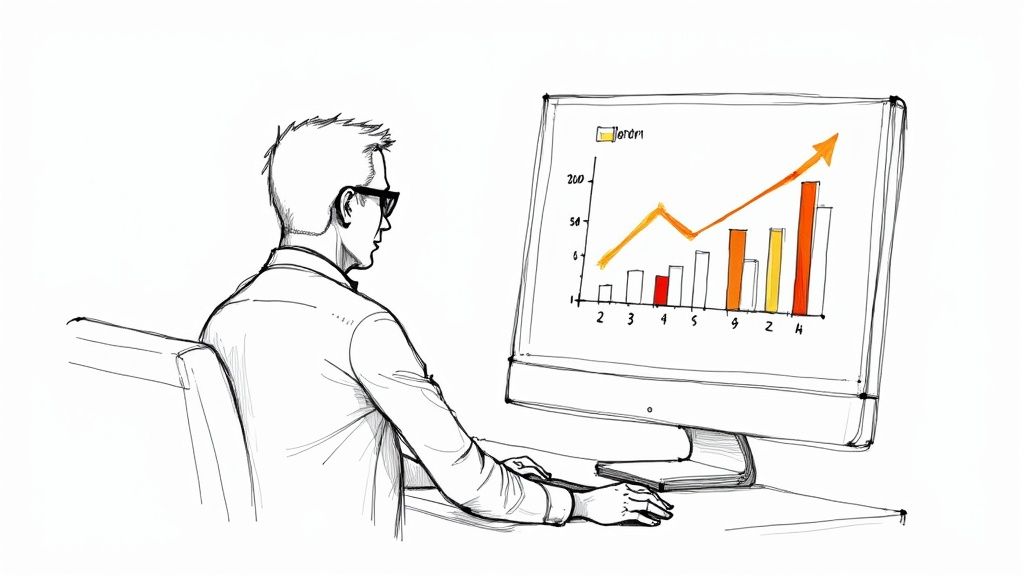
Effective coaching is the cornerstone of any successful sales team. This is especially true in the remote environment. Simply transferring traditional methods online often falls short. This section explores the strategies and tactics needed to master remote sales coaching and boost performance within a distributed team. It starts with understanding the psychology of remote workers and adapting your approach accordingly.
Understanding The Remote Coaching Landscape
Coaching remote sales teams means acknowledging the unique challenges and opportunities of virtual work. Remote reps often face isolation, distractions, and communication barriers. These can significantly impact their performance. Coaching needs to address these challenges, not just sales skills.
Remote work also offers flexibility and autonomy. These are advantages to consider when designing coaching strategies. Focus on outcomes instead of micromanaging activities.
Maintaining consistent performance is a key challenge in managing a remote sales team. Despite the rise of remote work, sales performance often needs improvement. 84% of sales reps didn’t meet their quota last year. This highlights the need for better sales coaching.
Tactics like weekly check-ins (used by 68% of teams), call listening, and call shadowing (used by 34%) are especially helpful in remote settings. However, 39% of sales reps find their coaching too generic, and 50% want skills-based coaching, not just a focus on KPIs. Addressing these needs is critical for optimizing remote team performance. Discover more insights about sales statistics.
Building A Framework For High-Impact One-On-Ones
One-on-one meetings are essential for effective remote sales coaching. They offer a chance to build rapport, provide personalized support, and address individual challenges. A clear structure is key to maximizing these sessions.
Start by reviewing progress toward goals. Then, shift to discussing challenges and brainstorming solutions. Finally, collaboratively create actionable steps for improvement.
This structured approach fosters accountability while offering support and guidance. Focus on both performance data and qualitative feedback for a complete picture of the rep’s development.
Consider including role-playing to practice specific skills and provide real-time feedback. This interactive approach can significantly improve skill development and confidence.
Delivering Feedback That Resonates Across The Digital Divide
Delivering feedback remotely requires nuance. While data-driven feedback is essential, balance it with empathy. Focus on specific, actionable feedback instead of general observations. Timely delivery through the right channel is also critical.
Use video conferencing for sensitive feedback or complex issues. This allows for nonverbal cues and a personal connection. For quick updates or positive reinforcement, written channels like instant messaging or email are more efficient. This communication flexibility ensures feedback is received and understood.
To understand the effectiveness of different approaches, let's look at the following table:
Remote Sales Coaching Methods: Effectiveness Analysis
Statistical breakdown of different coaching approaches and their impact on remote sales performance
| Coaching Method | Adoption Rate | Impact on Performance | Rep Satisfaction |
|---|---|---|---|
| Weekly One-on-Ones | 80% | 25% increase in quota attainment | 75% |
| Call Listening & Feedback | 60% | 15% improvement in close rates | 65% |
| Personalized Development Plans | 45% | 30% increase in average deal size | 85% |
| Role-Playing Exercises | 55% | 20% improvement in sales skills | 70% |
This table reveals that while regular one-on-ones are widely adopted, personalized development plans, though less common, show the greatest impact on key metrics like deal size and rep satisfaction. Focusing on individual growth plans might be a powerful lever for improving overall team performance.
Developing Personalized Improvement Plans
Generic coaching rarely produces significant results. Focus on creating personalized plans tailored to each rep's individual needs and strengths. Develop these plans collaboratively with the rep to ensure buy-in and ownership. Clearly define specific goals, actionable steps, and timelines.
This collaborative approach empowers reps and creates shared responsibility for their development. Regularly review and adjust plans based on progress and changing needs. This feedback loop keeps reps focused and ensures improvement plans stay relevant and impactful. By embracing these strategies, you can empower your remote sales team to overcome the challenges of virtual work and achieve outstanding results.
Communication Strategies That Bridge the Digital Divide
When communication breaks down, remote sales performance suffers. Top sales leaders recognize this and make it a priority to build strong communication systems. These systems keep their teams aligned and informed, but without leading to digital fatigue. This requires carefully choosing the right communication channels, setting clear expectations, and building a culture of open communication.
Creating Effective Communication Rhythms
A consistent communication rhythm brings clarity and predictability to remote teams. This isn't about flooding your team with constant messages. It's about establishing regular check-ins and predictable schedules. For instance, daily stand-up meetings for quick updates, weekly team meetings for deeper dives, and monthly all-hands meetings for broader strategic alignment can create a structured communication flow. This prevents information overload while ensuring everyone stays in the loop. For more tips, check out this helpful resource: How to master remote work communication.
Choosing the Right Channels for Different Messages
Different communication channels have different strengths. Using the right channel for each message type ensures effective communication. For urgent issues or quick questions, instant messaging platforms like Slack are ideal. For more detailed discussions or collaborative projects, video conferencing tools like Zoom provide a richer communication experience. Email remains essential for formal announcements, documentation, and asynchronous communication. This targeted approach minimizes distractions and makes information flow more smoothly.
Establishing Communication Protocols
Clear communication protocols prevent important information from falling through the cracks. This could involve setting clear guidelines for response times, outlining expectations for communication outside of working hours, or defining procedures for escalating urgent problems. For example, having a dedicated point of contact for technical issues ensures prompt attention. These protocols build a predictable and reliable communication environment, reducing uncertainty and enabling quick problem-solving.
Fostering Open Dialogue and Feedback
Open communication is essential in remote sales. Encourage team members to share their thoughts, ideas, and concerns. Regular feedback sessions, both individually and as a team, provide valuable insights into team morale, highlight areas for improvement, and strengthen communication practices. This builds a culture of transparency and continuous improvement.
Adapting Your Communication Style
Every team member has their own communication preferences and learning styles. Some prefer visual communication, while others prefer written or verbal communication. Adapting your communication style to accommodate these different preferences makes sure everyone feels understood and valued. This might involve using a mix of visuals, written summaries, and verbal explanations to cater to different learning styles. This inclusive approach improves team cohesion and boosts the overall effectiveness of your communication strategy. By implementing these strategies, you can create a strong communication system that empowers your remote sales team, closing the digital divide and driving outstanding results.
Measuring What Matters: Remote Sales Metrics That Drive Results
Managing a remote sales team requires a different approach to performance measurement compared to traditional in-office teams. Choosing the right key performance indicators (KPIs) offers valuable insights into individual and team performance, helping you identify areas for improvement and drive better results. This means focusing on KPIs that truly reflect success in a virtual selling environment, rather than simply tracking activity.
Defining KPIs for a Remote Sales Team
Start by establishing KPIs that align with your overall business objectives. These KPIs should motivate the right behaviors and offer clear visibility into performance without micromanaging.
Instead of just tracking the number of calls made, focus on metrics like conversion rates, average deal size, and customer lifetime value. These provide a deeper understanding of how individual activities contribute to revenue.
Additionally, consider KPIs that reflect the unique challenges of remote work, such as communication effectiveness, team collaboration, and client engagement in virtual meetings. Tracking these aspects helps identify areas where your team excels and where they might need additional support.
Building Actionable Dashboards for Remote Sales
Implementing dashboards that visualize key metrics is crucial for remote sales management. These dashboards should offer clear, actionable insights, not information overload. Prioritize displaying metrics directly related to individual and team goals.
A dashboard might display real-time progress towards quota attainment, conversion rates for different lead sources, or average deal close times. This clear visibility enables sales reps and managers to quickly assess performance and make data-driven decisions.
Furthermore, ensure your dashboards are easily accessible and user-friendly to encourage regular use and prevent valuable data from being overlooked. Consider platforms like Salesforce to create and manage these dashboards effectively.
Conducting Effective Virtual Pipeline Reviews
Pipeline reviews are a critical component of remote sales management, but they require adaptation for the virtual environment. Structure virtual pipeline reviews to focus on deal progression, identify potential roadblocks, and forecast future revenue accurately.
Use collaborative tools like Google Sheets or dedicated sales pipeline management software to visually track deal stages and probabilities. This shared view fosters collaboration and allows everyone to contribute.
Encourage open communication during these reviews, creating a safe space for team members to discuss challenges and brainstorm solutions. This proactive approach improves forecasting accuracy and identifies potential roadblocks early on.
Fostering Healthy Competition With Performance Data
Performance data can be a powerful motivator, but it’s essential to use it to foster healthy competition rather than create negativity. Transparency is key. Clearly communicate how performance is measured and how individual contributions impact team goals.
Create leaderboards that recognize top performers in different categories. This encourages healthy competition while highlighting individual achievements. Ensure these leaderboards focus on a range of metrics, not just overall sales, to acknowledge different strengths and contributions.
Use performance data to provide personalized coaching and development opportunities. This demonstrates a focus on improvement and growth, helping build a culture of support and continuous improvement where team members feel valued.
Ready to build a high-performing remote sales team? AboutHire connects you with top-tier sales talent from Latin America and Europe, offering a cost-effective and efficient hiring solution. Learn more about building your remote sales team with AboutHire.